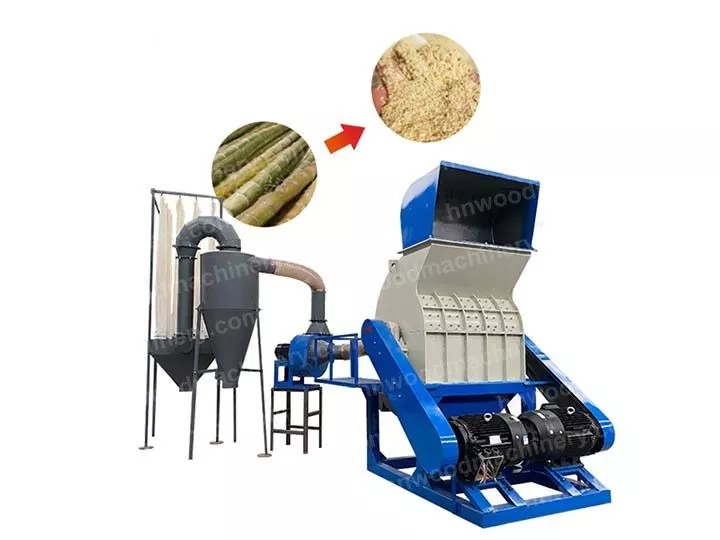
Kisu Diski VS Mashine ya Kukata Miti kwa Njia ya Kurudiarudia
Katika tasnia ya usindikaji wa mbao, kuchagua mashine sahihi ya kukata mbao moja kwa moja kunaathiri ubora wa bidhaa, ufanisi wa uzalishaji, na faida jumla. Kati ya chaguzi zinazopatikana, mashine za kukata kichwa cha kukata na mashine za kukata kwa kurudiarudia ni maarufu zaidi.
Makala hii inatoa ulinganizi wa kina unaojumuisha mambo kama gharama, maeneo ya matumizi, ubora wa mipango, na mapendekezo ya uteuzi, kwa lengo la kukusaidia kufanya uamuzi bora wa uwekezaji.
Muhtasari wa kanuni za kazi za mashine za kukata mbao
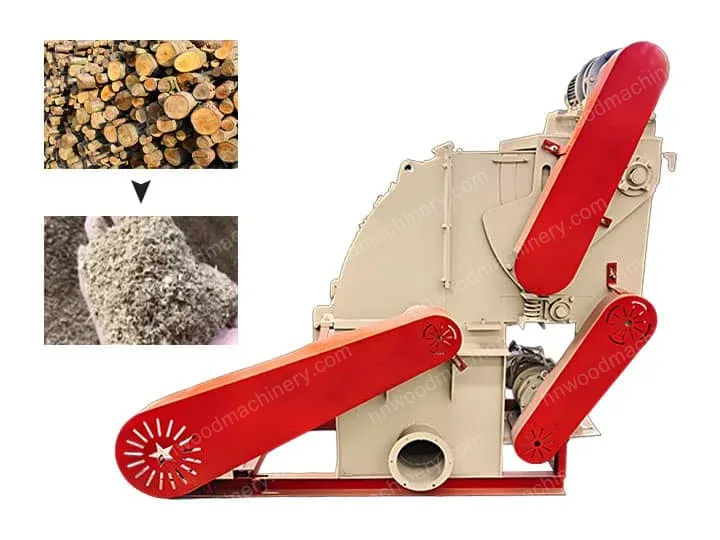
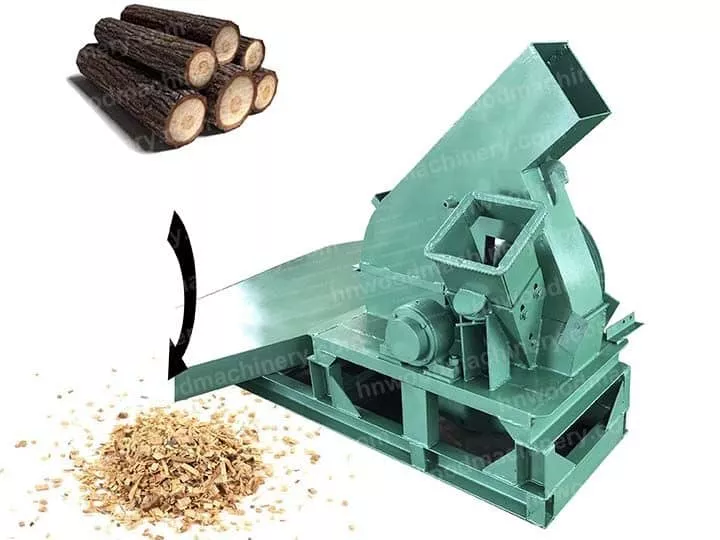
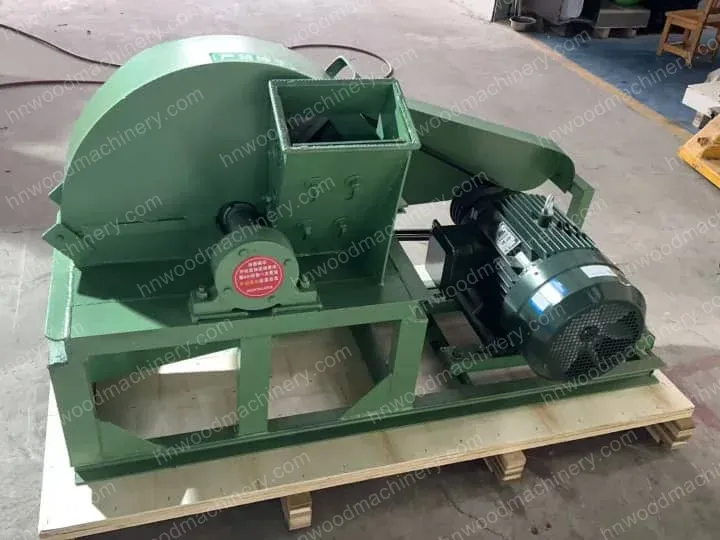
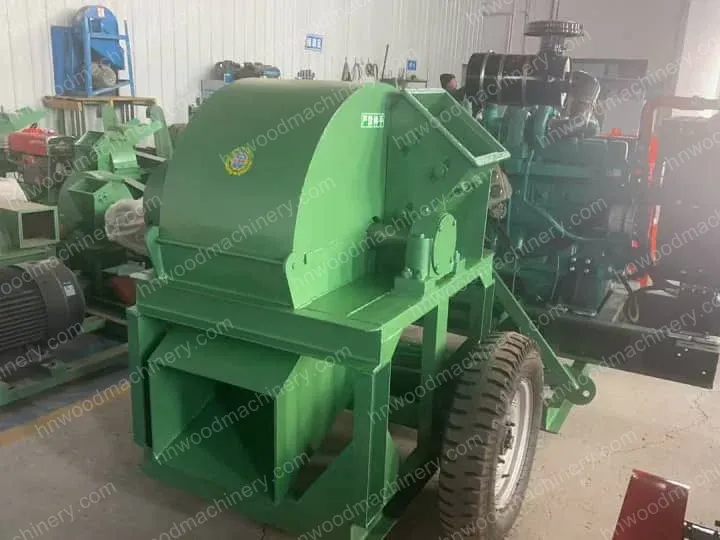
Mashine ya kukata mbao kwa diski ya juu inaendesha diski yenye kasi ya juu iliyo na visu ili kukata mbao kuwa vumbi. Vifaa hivi vinaweza kufanya kazi bila kuchoka. Zaidi ya hayo, ina muundo rahisi wa kiufundi unaorahisisha matengenezo.
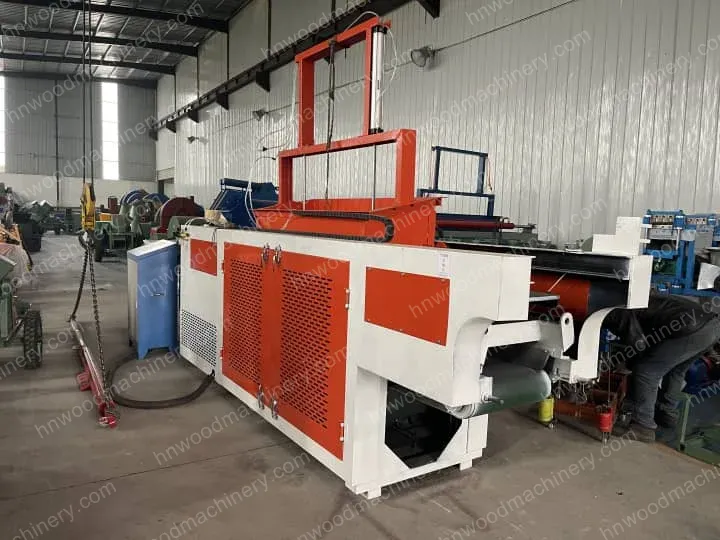
Mashine ya kukata mbao kwa gurudumu inayorudiarudia kwa kawaida hutumia mfumo wa majimaji kuendesha mbao, na kusababisha kuzunguka kwa kurudiarudia juu ya visu vilivyowekwa mahali pao.
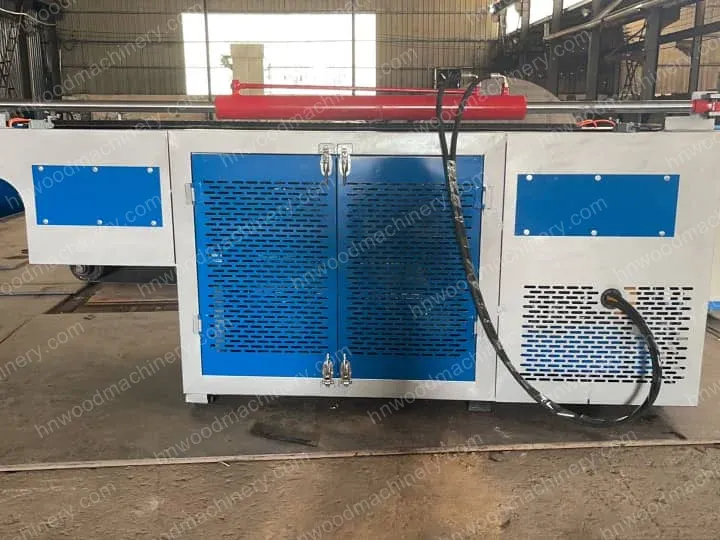
Aina hii ya vifaa inafanya kazi kwa njia ya kukata kwa muda usio na mpangilio, inayoweza kuzalisha vumbi kwa unene unaoweza kudhibitiwa kwa usahihi; hata hivyo, muundo wake wa kiufundi ni tata zaidi.
Ulinganizi wa bei wa aina tofauti za mashine za kukata mbao
| Aina | Aina ya Bei | Kiwango cha Uwekezaji |
|---|---|---|
| Diski ya Kisu | $1,500 – $6,000 | Chini |
| Kurudiarudia | $6,000 – $20,000 | Kati ya Kati hadi Juu |
Aina za mashine za kichwa cha kukata zina bei nafuu zaidi, na hivyo ni bora kwa waanzilishi au mashamba madogo.
Mashine za kurudiarudia zina gharama kubwa zaidi kwa sababu ya kujumuisha mifumo ya majimaji na udhibiti wa usahihi.
Lakini chaguzi zote zinatokana na mahitaji yako halisi.
- Bajeti ndogo → Chagua aina ya kichwa cha kukata
- Kuwa na lengo la soko la juu → Chagua aina ya kurudiarudia
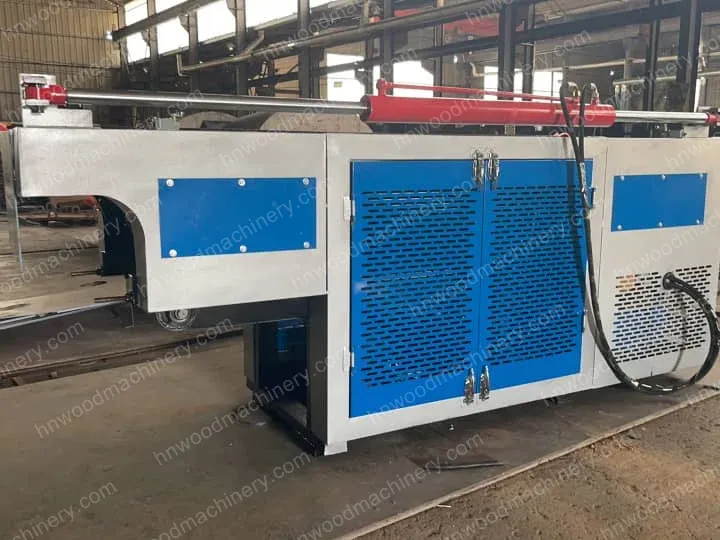
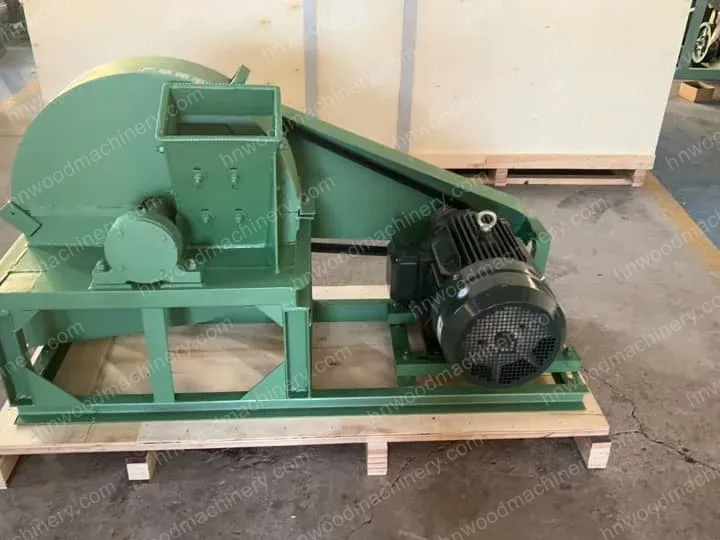
Je, hali za matumizi za aina tofauti za mashine za kukata mbao zinatofautiana vipi?
Mashine za kukata mbao kwa diski ni bora kwa uzalishaji mkubwa na masoko yanayohitaji bei nafuu, kama vile utengenezaji wa malazi ya kuku (kwa mabanda ya kuku), malazi ya wanyama (kwa farasi na ng'ombe), vifaa vya kujaza vifungashio, au usindikaji wa biomass.
Mashine za kukata mbao kwa kurudiarudia ni bora kwa masoko yenye mahitaji makali kuhusu ubora na usawa wa vumbi la mbao—kwa mfano, malazi ya wanyama ya kiwango cha juu, malazi ya farasi, usafirishaji wa vumbi la mbao, au tasnia ya utengenezaji wa bodi.
Ulinganizi wa ubora wa kukata kwa mashine tofauti za kukata mbao
| Sifa | Diski ya Kisu | Kurudiarudia |
|---|---|---|
| Uwezo wa unene | Kati | Juu |
| Umbo la curl | Isiyo ya kawaida | Zaidi ya usawa |
| Ustahimilivu wa | Kati | Bora |
| Unyonyaji wa unyevu | Nzuri | Bora zaidi |
Ikiwa huwezi kufanya uamuzi, tafadhali wasiliana nasi kwa uhuru. Shuliy itakupa ushauri wa ununuzi wa kitaalamu na kamili zaidi.
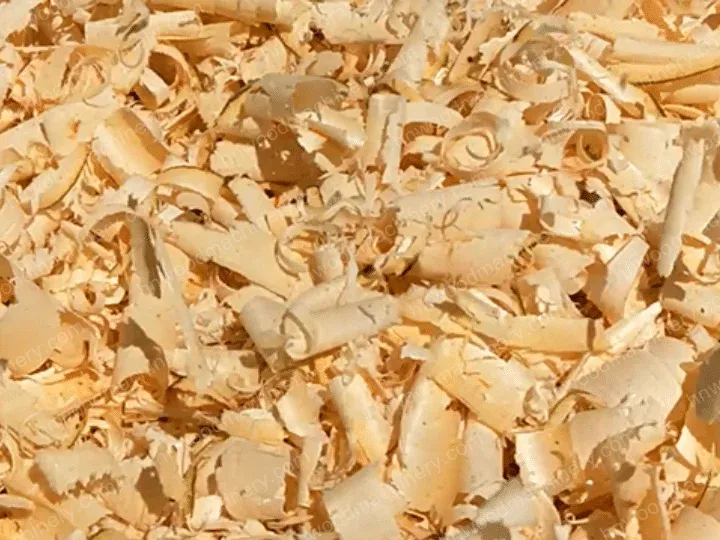
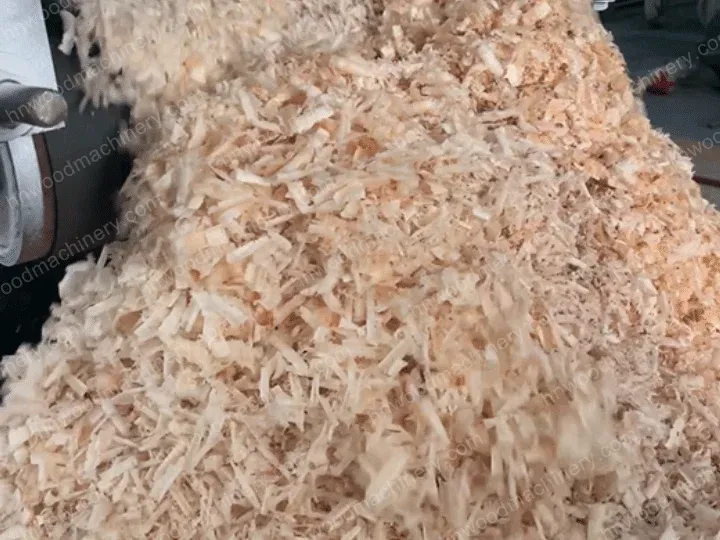
Jinsi ya kuchagua vifaa vinavyokufaa zaidi?
Ikiwa mojawapo ya hali zifuatazo inakuhusu, tunapendekeza uchague mashine ya kukata mbao kwa diski ya kisu:
- Unahitaji kupata faida ya haraka (ROI).
- Soko la ndani ni lenye bei nyeti nchini mwako.
- Unapendelea uzalishaji wa wingi mkubwa.
Ikiwa unakidhi vigezo vifuatavyo, tafadhali chagua mashine ya kurudiarudia:
- Wateja waliolengwa ni wa kiwango cha juu.
- Unashiriki katika usafirishaji wa mbao za kukata.
- Inahitaji masharti magumu kuhusu usawa wa unene wa vumbi.
- Unataka kuanzisha nafasi ya bidhaa za kiwango cha juu.
Wasiliana nasi kwa habari zaidi kuhusu mashine za kukata mbao!
Kuelewa tofauti kati ya diski za kisu na mashine za kukata kwa kurudiarudia kunakusaidia kuoanisha chaguo lako la vifaa na malengo yako ya soko.
Ikiwa unapanga kuanzisha au kuboresha biashara yako ya kukata mbao, kuchagua mashine sahihi kutamwongoza moja kwa moja kwenye ushindani na faida ya muda mrefu.
Kwa maelezo zaidi ya mashine za kukata mbao na bei sahihi kwenye bandari yako, tafadhali wasiliana nasi.