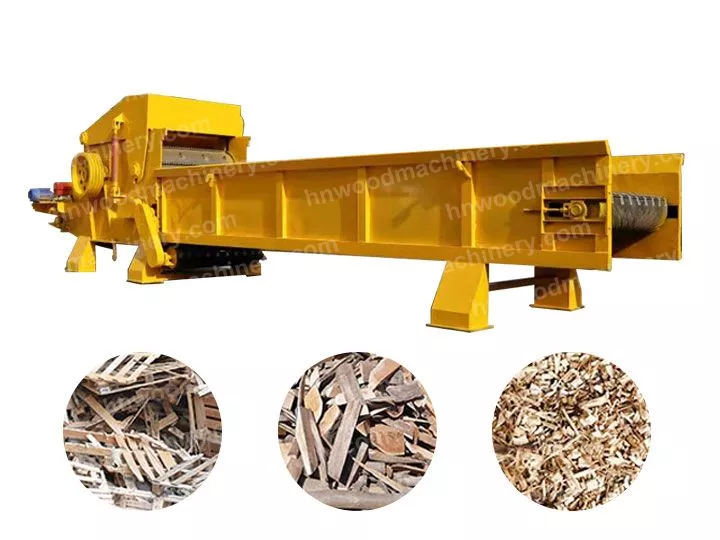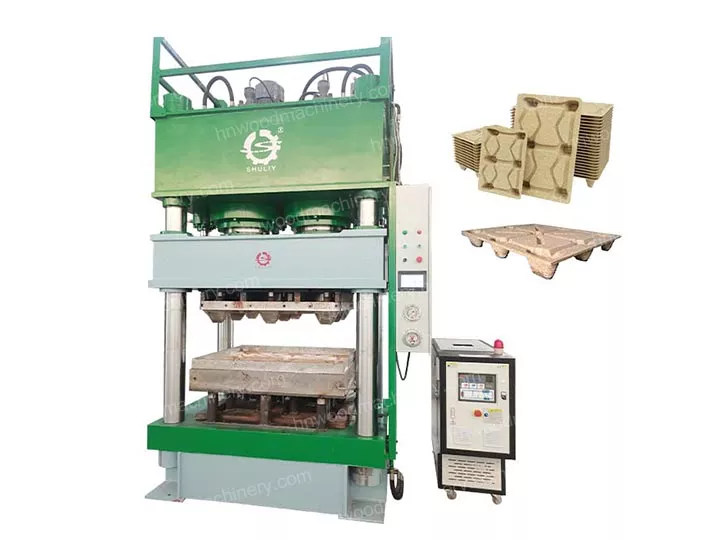
Odun nasıl kabuk soyulur? Odun Parçalama Makinesi ile?
Modern kereste işleme süreçlerinde, odun kırıcılar sıklıkla yüksek kaliteli ham maddeleri sağlamak amacıyla odun parçalama makineleriyle birlikte kullanılır. Kabukların çıkarılması, kütüklerin odun parçası, talaş veya pelet haline getirilmeden önceki önemli ilk adımdır.
Odun kabuğunu soyma, odun kırıcıların operasyonel verimliliğini artırmakla kalmaz, aynı zamanda biyokütle yakıt üretimi, kağıt yapımı ve mühendislik odunu panel üretimi gibi sektörlerde ürün kalitesini de iyileştirir.
Neden Kabuk Soyma Gerekir?
Odun kabuk soyma, kütüklerin dış kabuğunun çıkarılması işlemine denir ve sonraki işlemlerden önce yapılır.
Genellikle farklı uygulama sektörlerinde gereksinimler değişir:
- Odun kırma ön işlemi: Ham maddelerin temiz ve safsızlıklardan arınmış olmasını sağlar.
- Kâğıt fabrikaları: Kabuk soyma ekipmanlarının etkin kullanımı, kereste kalitesini artırır.
- Kağıt ve selüloz endüstrisi: Ham maddelerdeki safsızlıkları azaltır.
- Biyokütle yakıt üretimi: Yakıtın yanma performansını artırır.
Kabuk soyulmuş kütüklerin sağladığı faydalar:
- Daha yüksek ürün kalitesi: Kabuk genellikle toprak ve çeşitli kirleticiler içerir.
- Azaltılmış ekipman aşınması: Aşağı akış makinelerini (örneğin odun kırıcılar) korur.
- İşleme verimliliğini artırır: Kütükler ne kadar temizse, işleme hızı o kadar artar.
- Optimize edilmiş nihai çıktı: Kül içeriğini azaltır ve enerji kullanım verimliliğini artırır.
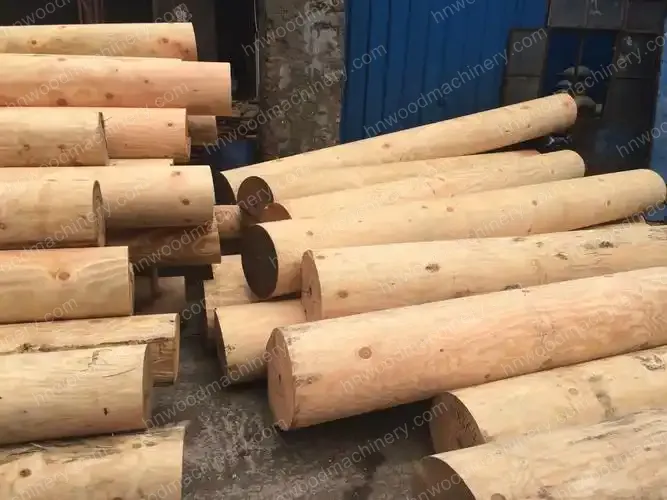
Genellikle hangi ekipmanlar odun kabuklarını soyma işlemi için kullanılır?
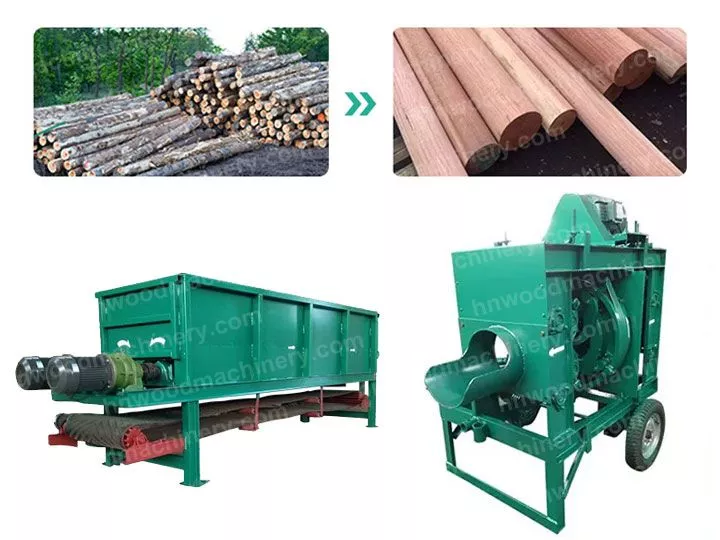
Odun kırıcıların verimli çalışması için, öncelikle özel ekipmanlar kullanılarak kabuk soyma işlemi yapılmalıdır. Yaygın kabuk soyma makineleri arasında kanal kabuk soyucular, dikey kabuk soyucular, yatay kabuk soyucular ve tamburlu kabuk soyucular bulunur.
Friction, kesme ve yuvarlama gibi mekanik ilkeleri kullanarak, bu makineler kabuğu verimli bir şekilde çıkarabilir ve odun çekirdeğinin bütün kalmasını sağlar.
Odun kırıcıyla birlikte kullanıldığında, odun parçalama makinesi sürekli besleme sağlar ve bu da büyük ölçekli üretim operasyonları için idealdir. Ayrıca, minimum manuel müdahale gerektirir.
Ayrıca, uniform kabuk soyma sonuçları, kırma kalitesini artırır ve uzun vadeli işletme maliyetlerini azaltırken, kırma üretim hattına sorunsuz entegrasyon sağlar.
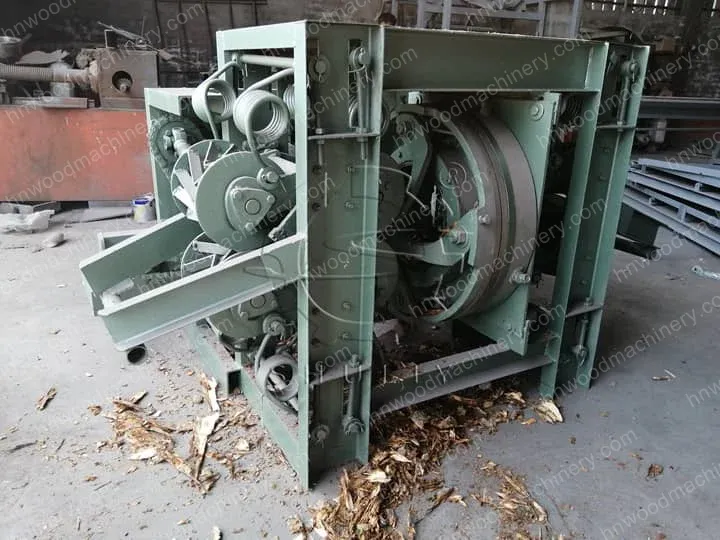
Kanal tipi kabuk soyucu vs. Dikey kabuk soyucu vs. Yatay kabuk soyucu
Doğru kabuk soyucu seçimi, odun kırıcı performansını en üst düzeye çıkarmak için çok önemlidir.
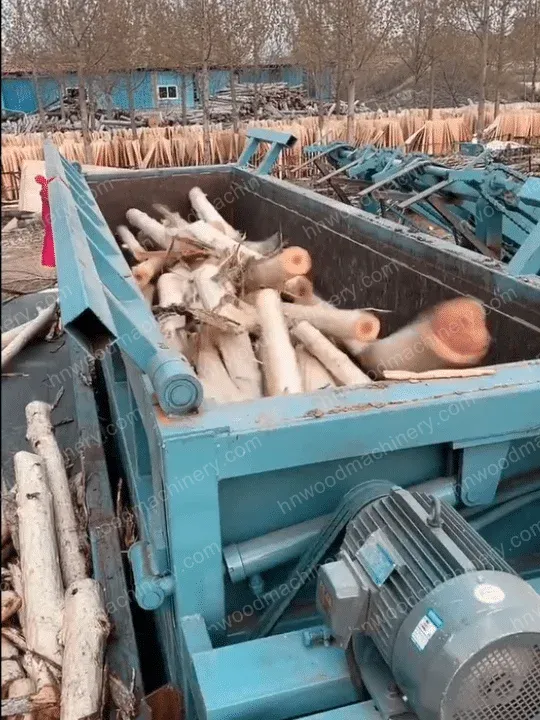
Kanal tipi kabuk soyucu
Advantages of the trough-type wood flaking machine:
- Basit tasarım ve kolay kullanım.
- Daha düşük yatırım maliyeti.
- Küçük ölçekli odun kırma üretim hatlarına uygun.
Disadvantages of the trough-type debarker:
- Göreceli olarak daha düşük kabuk soyma verimliliği.
- Sınırlı otomasyon seviyesi.
- Büyük çaplı kütüklerin işlenmesine uygun değildir.
Best-Fit Scenarios:
Small workshops or entry-level production facilities.
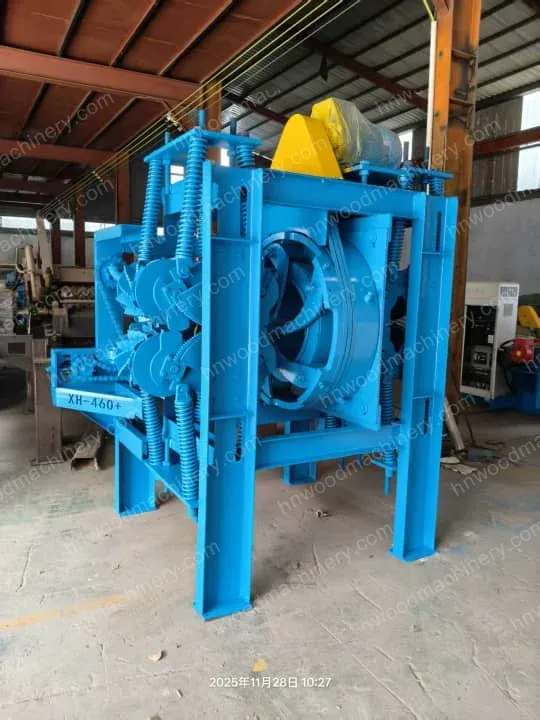
Dikey kabuk soyucu
Advantages of the vertical debarker:
- Yüksek kabuk soyma verimliliği.
- Kompakt yapı.
- Düzenli özelliklere sahip kütükler için uygundur.
Disadvantages of the vertical wood flaking machine:
- Daha yüksek ekipman maliyeti.
- Düzenli kütük boyutları gerektirir.
- Göreceli olarak katı besleme gereksinimleri.
Best-fit scenarios:
Medium-scale production lines paired with wood chippers.
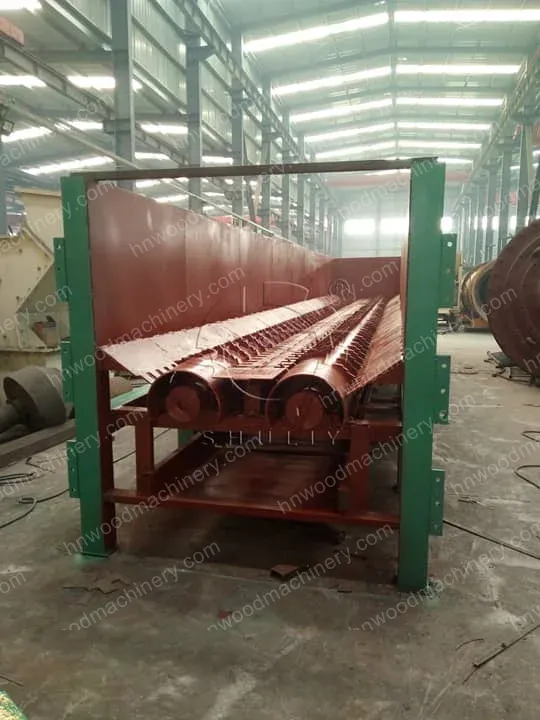
Yatay kabuk soyucu
Advantages of the horizontal debarker:
- Yüksek otomasyon seviyesi, sürekli işlemeyi destekler.
- Büyük ölçekli üretim operasyonlarına uygundur.
- Farklı boyutlardaki kütüklerle uyumlu.
Disadvantages of the horizontal debarker:
- Daha yüksek başlangıç yatırımı maliyeti.
- Daha büyük bir alan gerektirir.
- Göreceli olarak karmaşık bakım ve onarım gerektirir.
Best-fit scenarios:
Industrial-grade production lines integrated with wood chippers.
Doğru odun parçalama makinesi nasıl seçilir?
Odun kırıcıyla uyumlu en iyi seçimi yapmak için, verimlilik ve uyumluluğa öncelik vermek gerekir.
İlk olarak, kütüklerinizin boyut ve şekillerini göz önünde bulundurun—düzenli olmayan şekilli kütükler genellikle daha fazla esneklik gerektiren ekipmanlar, örneğin yatay kabuk soyucu, gerektirir.
İkinci olarak, üretim kapasitenizi değerlendirin: küçük atölyeler kanal tipi kabuk soyucu tercih edebilirken, büyük ölçekli üretim hatları sürekli kabuk soyma sistemleri gerektirir.
Üçüncü olarak, bütçenizi Yatırım Getirisi (ROI) ile karşılaştırın: yüksek otomasyonlu ekipmanlar başlangıç maliyetlerini artırsa da, sonraki işçilik ve işletme giderlerini önemli ölçüde azaltabilir.
Son olarak, odun parçalama makinesi seçiminizi nihai ürününüzün gereksinimleriyle uyumlu hale getirin ve kabuk soyma işleminin kütükleri temiz ve kusursuz bırakmasını sağlayın, böylece tutarlı ve güvenilir odun parçası kalitesi garanti edilir.
Quick guide:
- Küçük ölçek → Kanal tipi
- Orta ölçek → Dikey
- Büyük ölçek → Yatay
Whether you operate a small workshop or a large-scale industrial facility, selecting the appropriate peeling solution has a significant impact on your production. If you require a odun pullama makinesi solution tailored to your specific needs, contact us for personalized information!