Wood Chipper Machine Turns Wood Materials into Useful Chips
Branches, small logs, bark, wood offcuts, and other residues are generated throughout forestry and wood processing operations. For sawmills, furniture factories, and other wood-processing businesses, if wood is simply piled up, it takes up storage space and creates additional handling and disposal work.
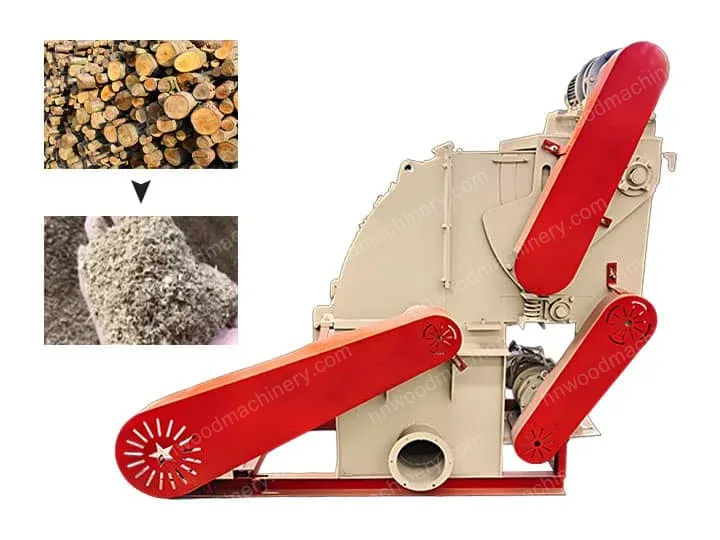
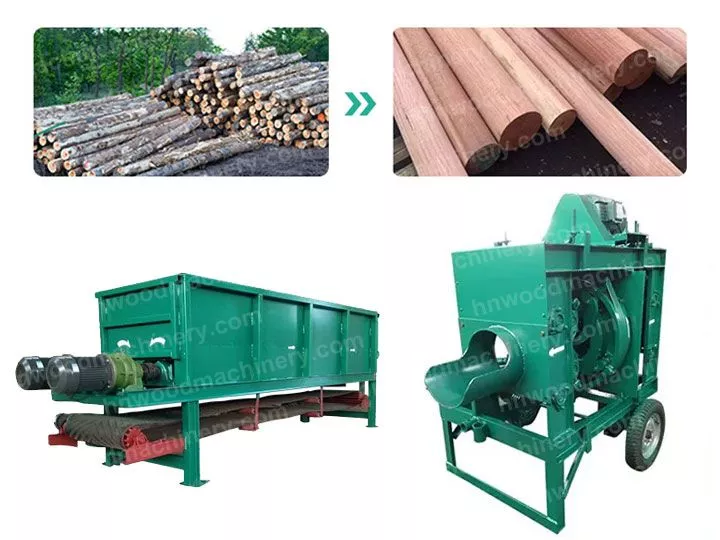
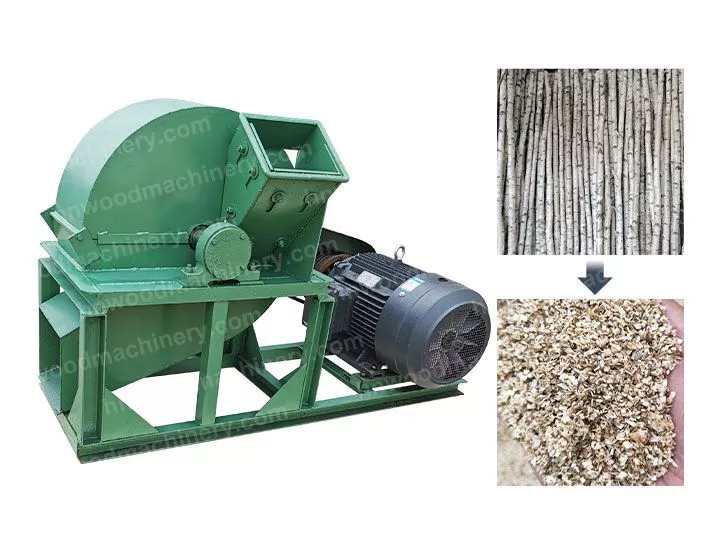
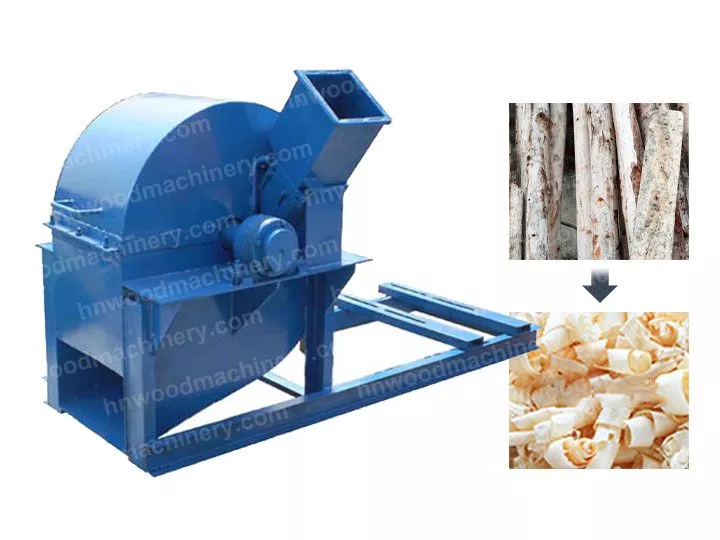
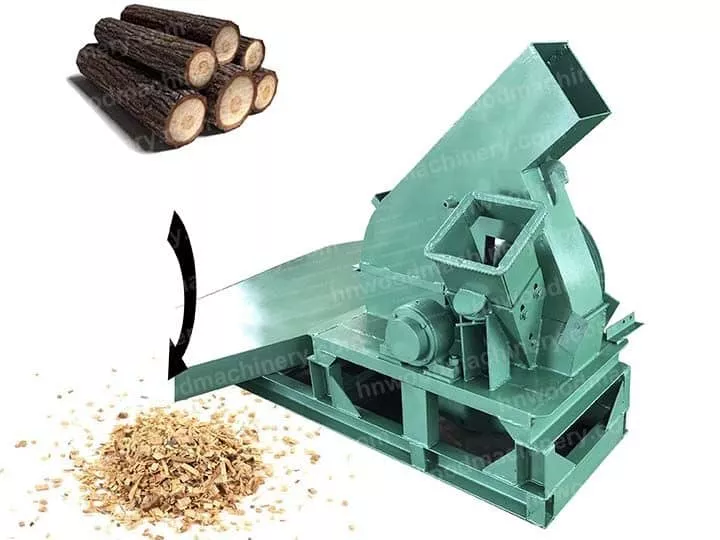
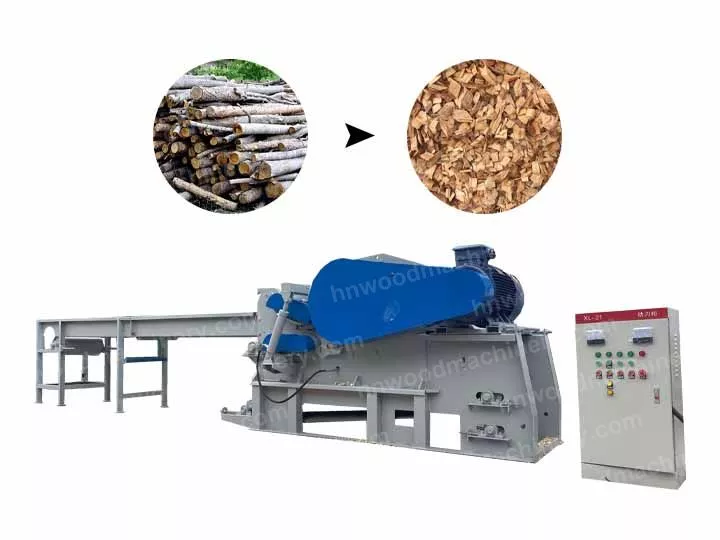
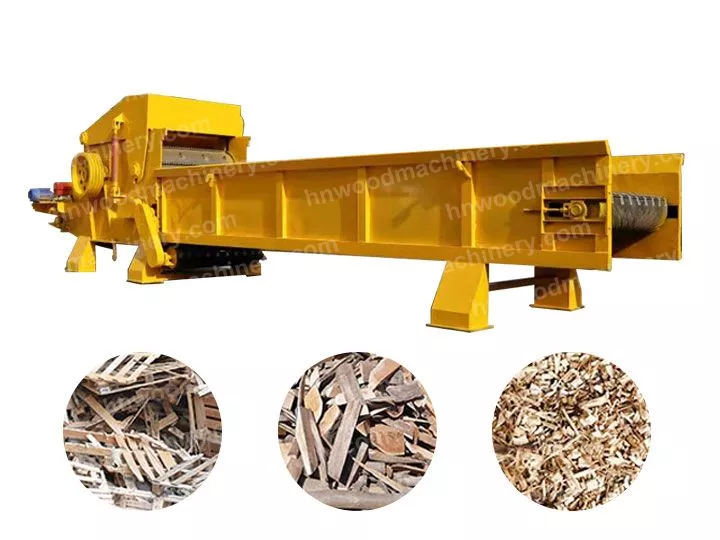
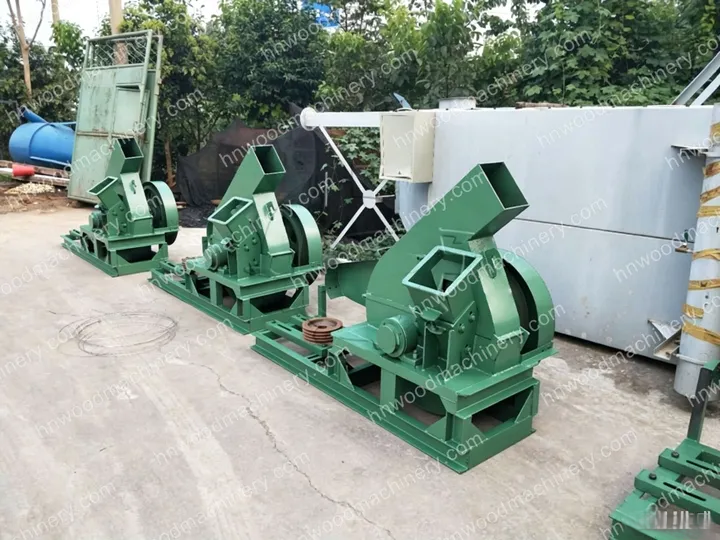
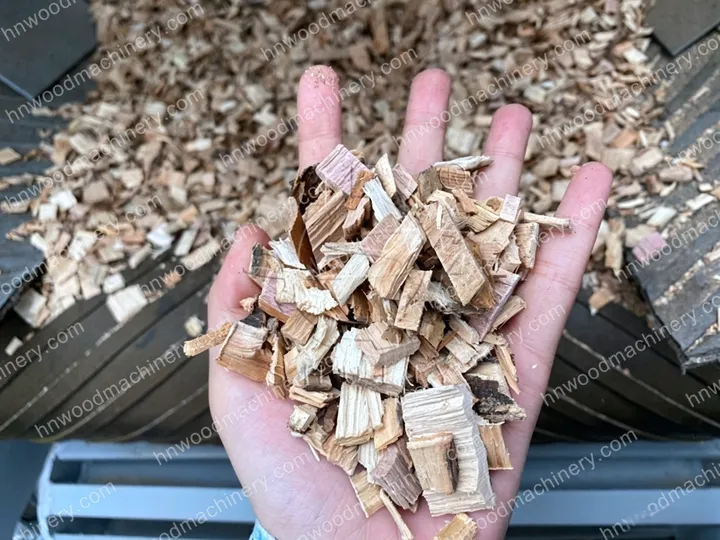
A wood chipper machine can cut suitable raw materials such as branches, logs, and boards into wood chips of a certain size. Depending on the material and application, the processed chips can be used as raw materials for biomass fuel, papermaking, wood-based panels, and other downstream applications.
More Than Just Processing Wood Waste
The value of a wood chipper lies in its ability to handle different types of raw materials.
Depending on the wood chipper machine configuration and material conditions, it can process:
- Logs
- Tree branches
- Wood boards
- Waste veneers
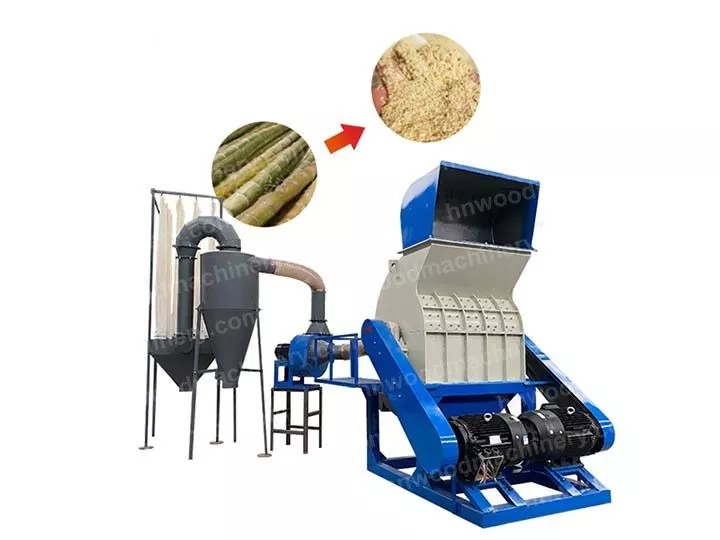
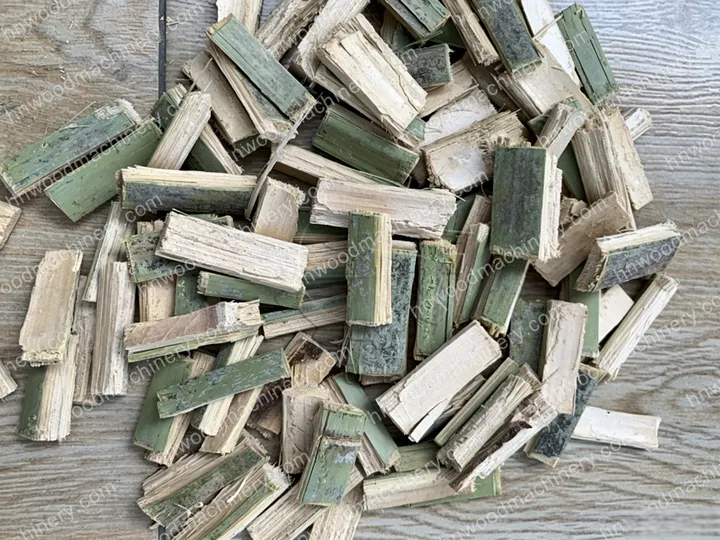
- Bamboo
- Cotton stalks
- Other suitable non-wood fiber stems
This wide raw-material adaptability makes the machine suitable for businesses that handle different types of plant-based materials rather than relying on a single feedstock.
For example, a sawmill may mainly process logs, branches, and wood residues, while a biomass operation may have access to agricultural fiber materials such as cotton stalks. A suitable chipping machine can help both types of businesses prepare their raw materials for subsequent processing.
From Raw Materials to Useful Wood Chips
After being processed by a wood chipper machine, the raw material becomes smaller and more uniform, making it easier to collect, transport, and feed into subsequent production processes.
The resulting wood chips can serve as basic raw materials for several industries.
- Particle board and fiberboard production: Suitable wood chips can be used as raw materials for engineered board production. The required material size and quality depend on the specific board-making process.
- Pulp and paper production: Wood and certain other plant fibers can be processed into chips or similar feedstock before entering further pulping processes.
- Non-wood board production: Materials such as bamboo and other suitable non-wood fiber stems can also be processed for applications involving non-wood boards.
- Biomass utilization: Suitable wood chips can also be used as biomass fuel or as feedstock for further biomass processing, depending on their moisture, size, and the requirements of the combustion or processing system.
In this way, chipping changes the role of the material from difficult-to-handle residue into a more useful industrial raw material.
Why Raw Material Adaptability Matters
Not every wood-processing business handles the same material every day. One operation may have branches and small logs, while another may generate boards, veneer waste, or other production residues.
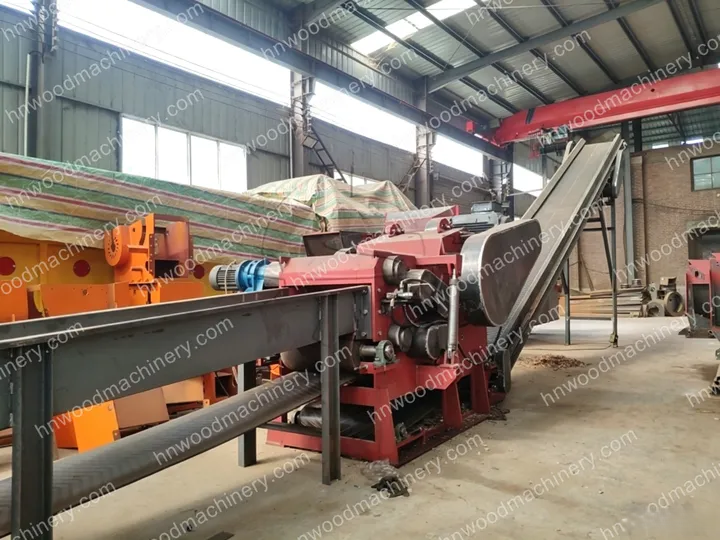
A wood chipper machine with broad raw-material adaptability can therefore provide greater flexibility for businesses with changing feedstocks.
This is particularly useful for forestry operations, sawmills, furniture factories, and biomass-related businesses where the type and form of available raw materials can vary.
Before choosing equipment, buyers should still consider the material dimensions, hardness, moisture content, required chip size, and expected processing capacity. These factors help determine whether a particular machine configuration is suitable for the application.
Where Can a Wood Chipper Machine Be Used?
Because of its ability to process various wood and fiber materials, the machine can be used in different working environments, including:
- Forestry operations: Branches, small logs, and other woody residues can be processed after forestry activities.
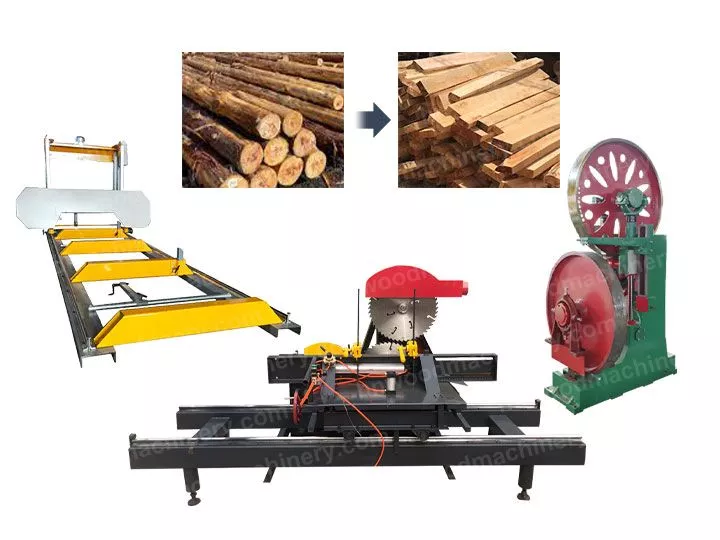
- Sawmills: Logs, boards, and suitable wood residues can be reduced into chips for further utilization.
- Furniture and woodworking factories: Suitable wood offcuts and waste veneers can be processed instead of being left as loose production waste.
- Biomass power plants: Wood residues can be prepared into chips for biomass fuel applications or further processing.
- Bamboo and agricultural fiber processing: Bamboo, cotton stalks, and other suitable non-wood fiber stems can be processed when the machine configuration matches the material.
Making Better Use of Available Raw Materials
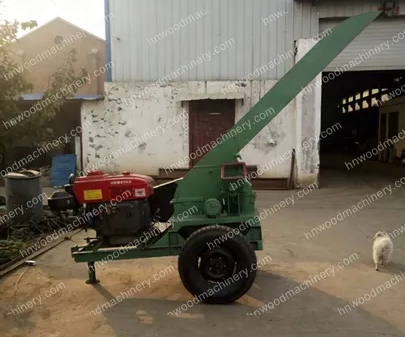
UN machine à déchiqueter le bois provides a link between raw wood residues and downstream applications. Logs, branches, boards, waste veneers, bamboo, and suitable fiber stems can be transformed into more manageable chips for board production, pulp and paper, biomass utilization, and other applications.
For buyers planning a new wood-processing project or looking to improve the handling of existing residues, selecting the right machine starts with the raw materials and the intended end use. Send us your material type, feed size, required chip size, and capacity, and our engineers can recommend a suitable wood chipping solution.